.B9KiSBUW_1thmot.webp)
News & Updates
MHI and EUH2 Academy Formalize Scientific Partnership
MHI and EUH2 Academy formalize a partnership to advance molecular hydrogen research, scientific education, and international collaboration.


Easy-to-digest articles on molecular hydrogen: what it is, what the research shows, and which claims do not hold up.
79 articles
No articles match those filters. Try a different search or fewer topics.
News & Updates
MHI and EUH2 Academy formalize a partnership to advance molecular hydrogen research, scientific education, and international collaboration.
About Molecular Hydrogen (H2 Gas)
Molecular hydrogen has been shown to be safe at concentrations hundreds of times higher than what is being used for therapy.
Other Articles by MHI
DOI:10.3390/life14070796 Introduction Molecular hydrogen (H₂) has been investigated for its potential effects on oxidative stress, inflammation, and cellular signaling pathways. Each month we highlight a study that contributes to the growing body of hydrogen research. This study examined the effects of hydrogen on coronary artery lesions in a Kawasaki disease mouse model. Study Overview Study…
Other Articles by MHI
Introduction Molecular hydrogen (H₂) research continues to expand, with increasing interest in hydrogen-rich water as a potential tool for supporting redox balance and cellular health. However, one critical and often overlooked aspect is how hydrogen is measured. In this month’s highlight, we review key insights from a recent educational breakdown on hydrogen water testing methods,…
Other Articles by MHI
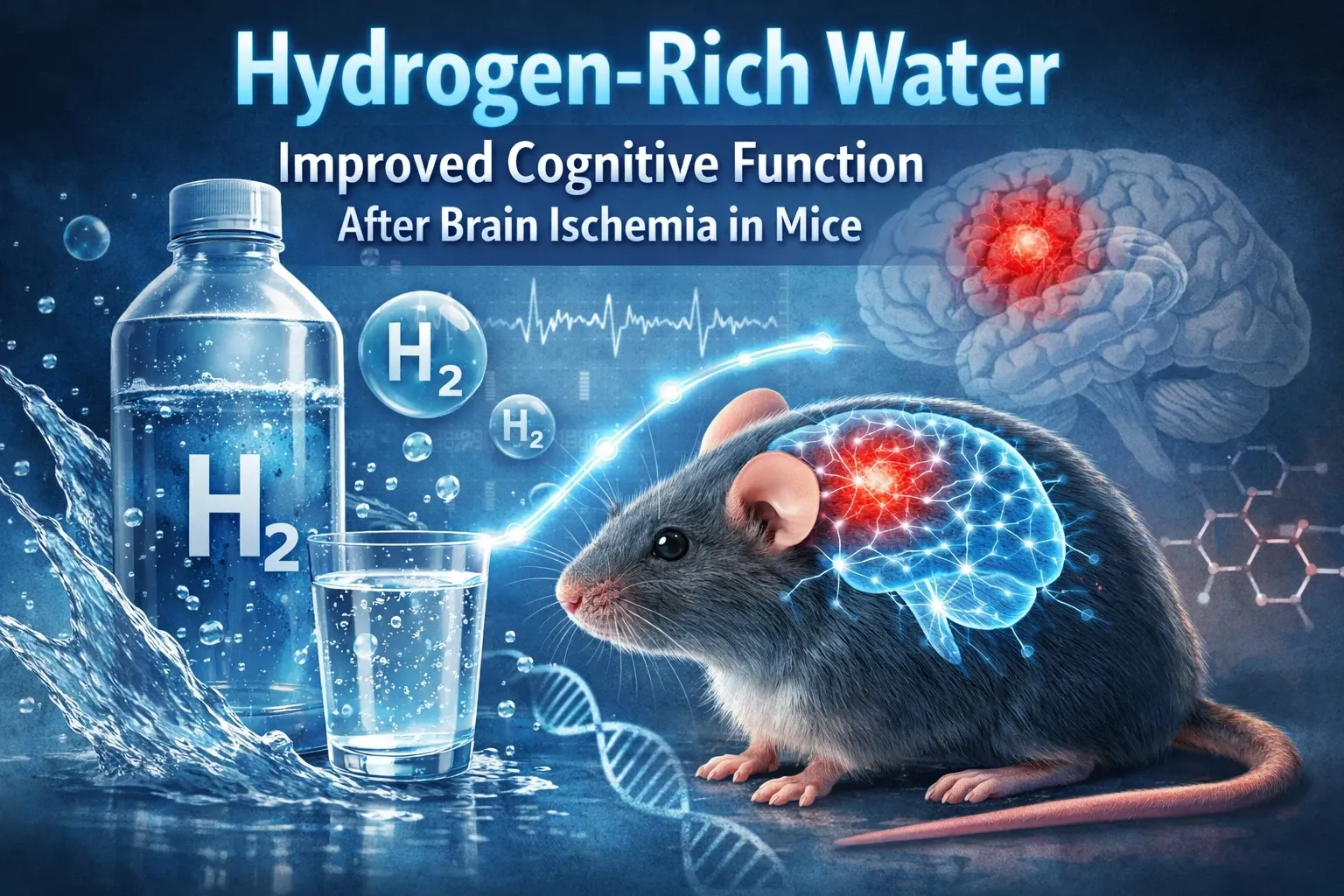
DOI:10.1155/2021/9956938 Introduction Molecular hydrogen (H2) has been investigated for its potential roles in modulating oxidative stress, inflammation, and cellular signaling pathways in a variety of experimental models. Each month we highlight a study that contributes to the growing body of hydrogen research. This study examined the effects of hydrogen on cerebral ischemia-reperfusion injury, a condition…
About Molecular Hydrogen (H2 Gas)
Molecular hydrogen has been shown to be safe at concentrations hundreds of times higher than what is being used for therapy.
About Molecular Hydrogen (H2 Gas)
Molecular hydrogen has been shown to be safe at concentrations hundreds of times higher than what is being used for therapy.
About Molecular Hydrogen (H2 Gas)
Molecular hydrogen has been shown to be safe at concentrations hundreds of times higher than what is being used for therapy.
About Molecular Hydrogen (H2 Gas)
Molecular hydrogen has been shown to be safe at concentrations hundreds of times higher than what is being used for therapy.
About Molecular Hydrogen (H2 Gas)
Molecular hydrogen has been shown to be safe at concentrations hundreds of times higher than what is being used for therapy.
About Molecular Hydrogen (H2 Gas)
Molecular hydrogen has been shown to be safe at concentrations hundreds of times higher than what is being used for therapy.
About Molecular Hydrogen (H2 Gas)
Molecular hydrogen has been shown to be safe at concentrations hundreds of times higher than what is being used for therapy.
About Molecular Hydrogen (H2 Gas)
Molecular hydrogen has been shown to be safe at concentrations hundreds of times higher than what is being used for therapy.
About Molecular Hydrogen (H2 Gas)
Molecular hydrogen has been shown to be safe at concentrations hundreds of times higher than what is being used for therapy.
News & Updates
A groundbreaking paper published this week in Redox Biology reveals the first clearly defined molecular target of molecular hydrogen (H₂).
News & Updates
The Molecular Hydrogen Institute (MHI) hosts a Virtual Worldwide H2 Summit with over 40 presenters from the best hydrogen researchers.
About Molecular Hydrogen (H2 Gas)
Explore the science of hydration, common water myths, and emerging research on molecular hydrogen (H₂) and its potential influence on cellular health.
How to get molecular hydrogen
We have taken the position of not recommending specific hydrogen products for many reasons. Here's how to choose a good hydrogen product.
About MHI Certifications
Explore our comprehensive FAQ section on MHI certifications. Get answers to all your questions about certification processes and benefits.
Other Articles by MHI
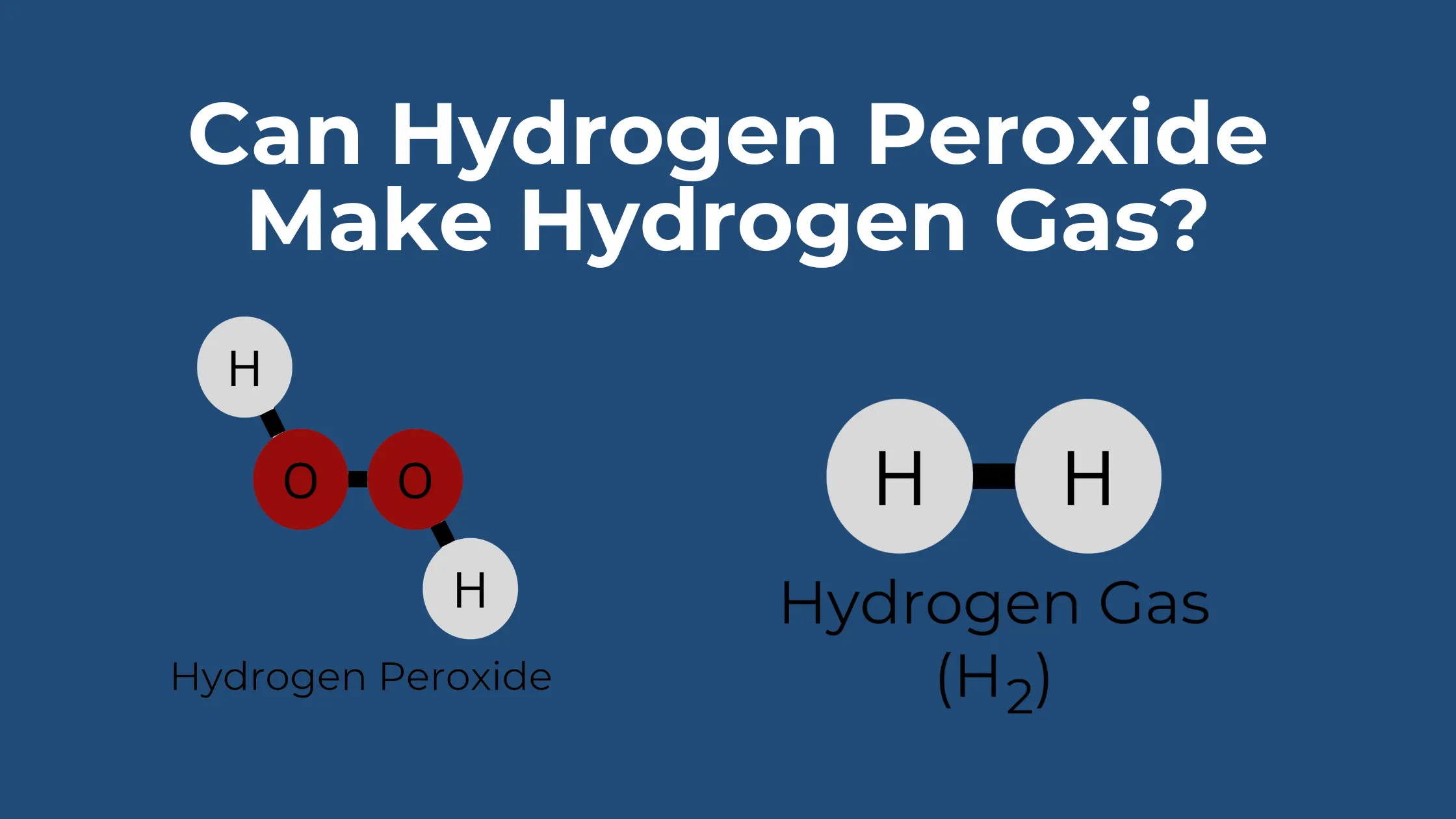
Can hydrogen peroxide produce hydrogen gas? Learn why H₂O₂ breaks down into water and oxygen, how it differs from H₂, and the safety risks of misuse.
About MHI Certifications
Discover the benefits of MHI certification, including enhanced scientific knowledge, credibility in the health and wellness industry, improved critical thinking, and supporting MHI’s mission to advance molecular hydrogen education and research.
About MHI Certifications
The Molecular Hydrogen Institute (MHI) is to provide education on, advance research about, and promote awareness of molecular hydrogen’s therapeutic potential.
About Molecular Hydrogen (H2 Gas)
What is hydrogen? How does it work? How do you get it? Why is it being studied for its potential therapeutic effects?
About MHI Certifications
Similar to many other certification courses, the courses do expire. Once you have received your certification, it is valid for 2 years.
How to get molecular hydrogen
There are various methods utilized when it comes to administering molecular hydrogen including inhalation, injection, drinking hydrogen water, and topically applying it. The question that most people want to know is, which is best? Read The Complete Guide to Molecular HydrogenRead Hydrogen: An Emerging Medical Gas Which form of consumption is best? Generally, this comes…
About Molecular Hydrogen (H2 Gas)
Molecular hydrogen has been shown to be safe at concentrations hundreds of times higher than what is being used for therapy.
About Molecular Hydrogen (H2 Gas)
Learn why MHI does not promote, sell, or endorse specific hydrogen products, and how we maintain unbiased, science-based education in the hydrogen industry.
Scientific Studies
The impact of hydrogen molecules on bone health with MHI. Learn how hydrogen molecules support stronger bones and overall wellness through our expert insights.
Scientific Studies
Hydrogen featured studies: Eye & Ear
Scientific Studies
Hydrogen featured studies: Human Studies
Scientific Studies
Hydrogen featured studies: Ischemia/Reperfusion Injuries
Scientific Studies
Hydrogen featured studies: Metabolic Syndrome
Scientific Studies
Hydrogen featured studies: Miscellaneous
Scientific Studies
Hydrogen featured studies: Pain and Others
Scientific Studies
Hydrogen featured studies: Sepsis, Gastritis, Intestine
Scientific Studies
Hydrogen featured studies: Skin and Radiation
Scientific Studies
Hydrogen featured studies: Spine and Pancreas
How to get molecular hydrogen
There are a number of methods to consume molecular hydrogen gas (H2),1 including inhalation of H2,2 injection of H2-rich saline,3 dropping H2-rich saline into eyes,4 taking a bath in H2-rich water,5 increasing H2 production by intestinal bacteria,6topical application,7 oral ingestion of hydrogen producing tablets,7 and simply drinking H2-rich water.8
All About Oxidation-Reduction Potential (ORP)
A high positive ORP is desired in sewage treatment, swimming pools and spas, because the higher the ORP, the more oxidation will occur, thus killing the bacteria and unwanted pathogens, by stealing electrons from the bacteria’s DNA, cell membranes and proteins.
Articles About Water, Hydration, and Water Chemistry
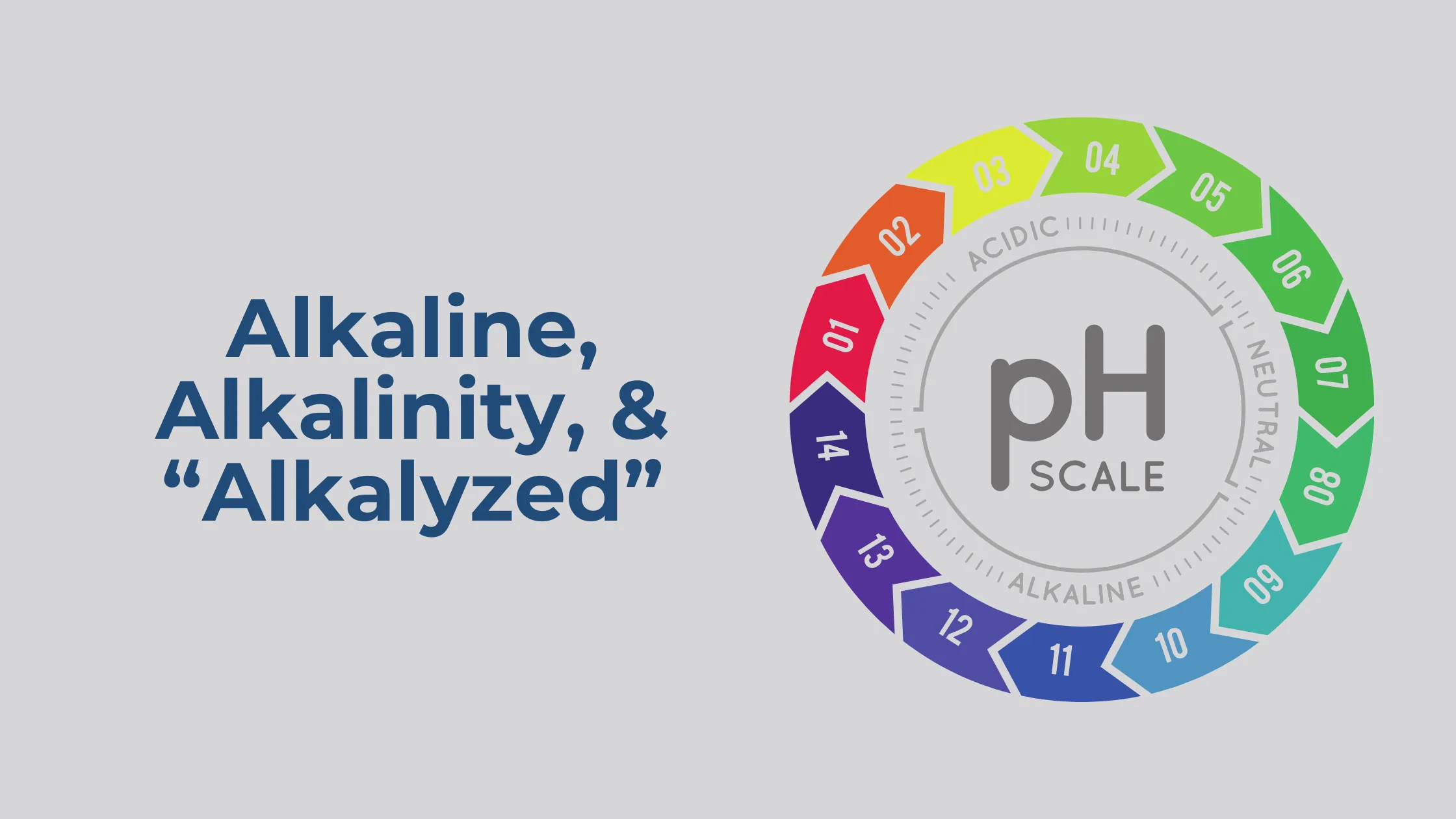
Learn the differences between alkaline, alkalinity, and alkalized water. Explore pH, chemical buffering, and the science behind ionized water and hydrogen.
All About Ionized Water
Electrolyzed reduced water (ERW) is the most common term in the scientific literature. ERW has an alkaline pH and contains molecular hydrogen.
Basic Chemistry for Understanding Molecular Hydrogen
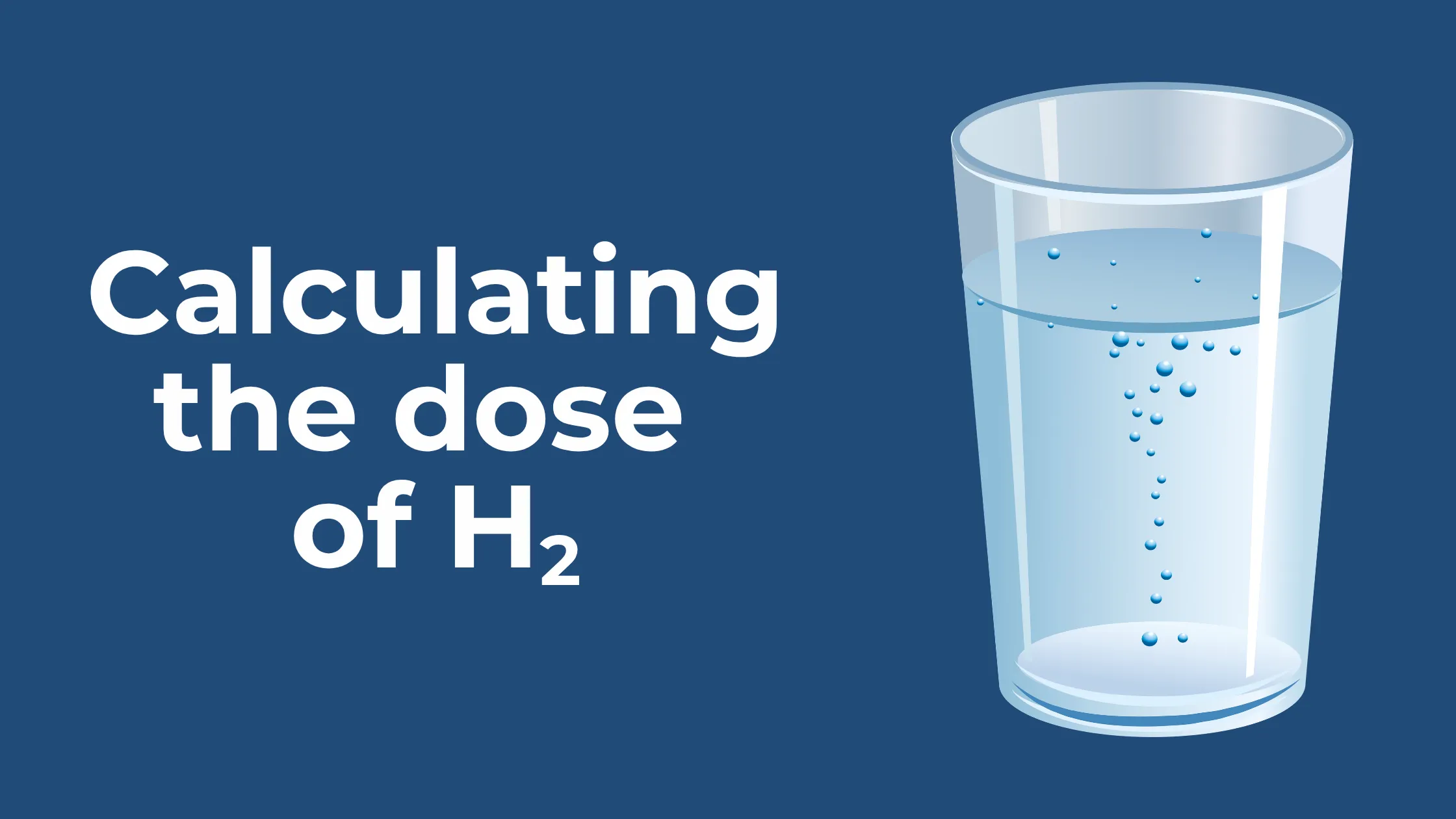
Learn how to calculate molecular hydrogen (H₂) dosage in water using ppm, mg/L, and water volume. Understand hydrogen concentration and actual H₂ intake.
Basic Chemistry for Understanding Molecular Hydrogen
The concentration of hydrogen gas (H2) is often reported in molarity (moles/liter (M) or milimoles/L mM), parts per million (ppm), parts per billion (ppb) or miligrams per liter (mg/L).
Basic Chemistry for Understanding Molecular Hydrogen
The manner in which hydrogen gas is dissolved in the water has an effect on its stability and rate of exsolution (coming out of solution) and dissipation. Hydrogen gas can exist in water as fully dissolved gaseous solutes, colloidal and suspension forms, as well as large macrobubbles that exit almost immediately.
About Molecular Hydrogen (H2 Gas)
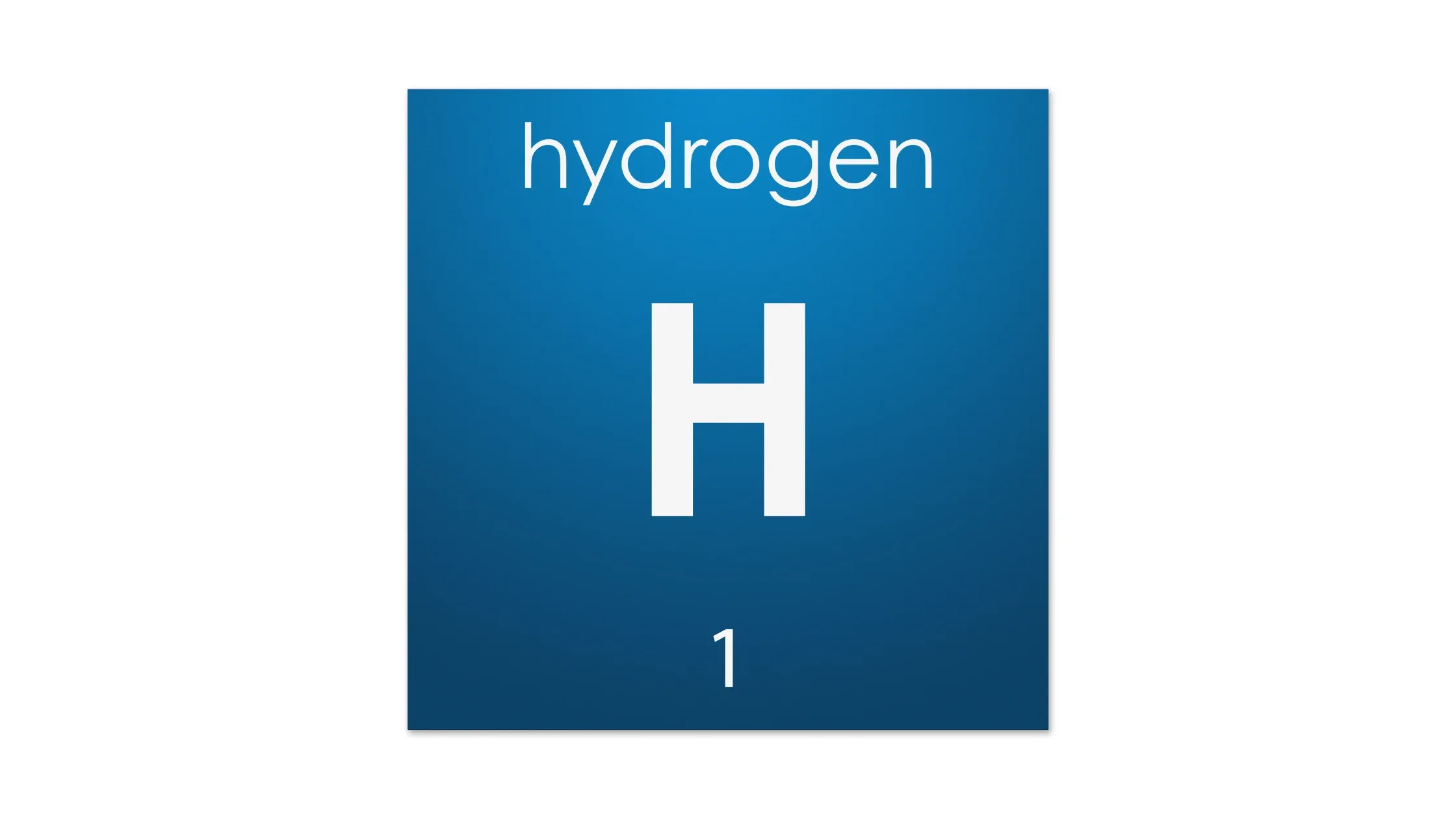
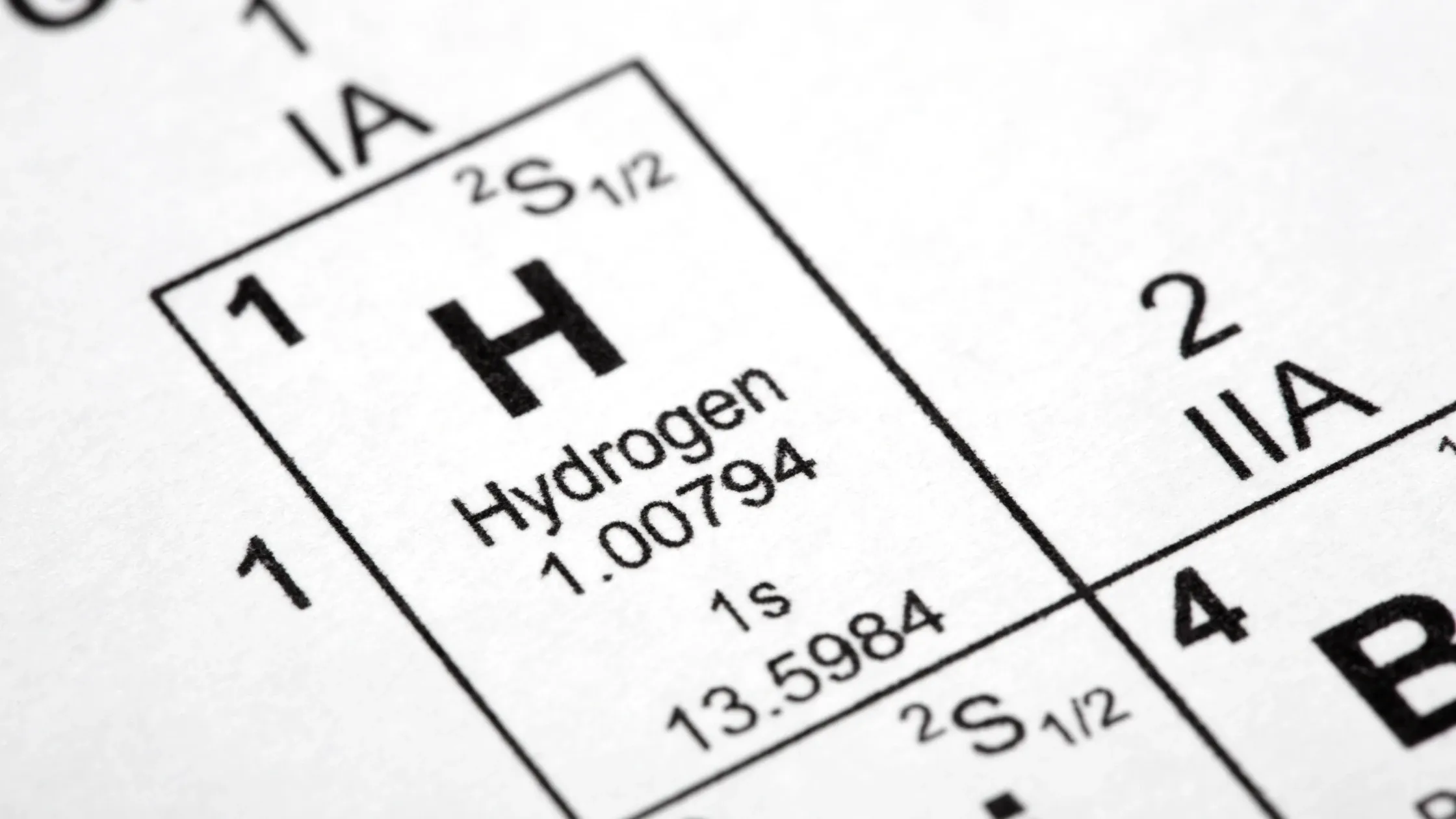
Hydrogen is the lightest and simplest element with the symbol H. It consists of only one electron and one proton and, under normal conditions, it exists primarily in its diatomic form as molecular hydrogen (H2 gas).
How to get molecular hydrogen
Electrolysis is simply using electricity to cause the decomposition of water (H2O) into hydrogen gas (H2) and oxygen gas (O2)
The Truth About Molecular Hydrogen - Myths and Facts, & Misconceptions
Free Radicals, also known as electrically modified species, are atoms, molecules or ions that have an unpaired valence electron.1Because electrons like to “travel” in pairs or need a companion, if there is only one electron by itself on a chemical species, this will make this chemical entity very reactive and it will readily “steal” an electron from its surrounding environment,2 which often occurs within the body.
The Truth About Molecular Hydrogen - Myths and Facts, & Misconceptions
Reactive oxygen species (ROS) are biological products of metabolism that exert both positive and negative effects on the body. ROS include free radicals like the hydroxyl radical (OH·), superoxide anion radical (O2–), nitric oxide (NO·), etc.1 as well as other oxidants (e.g. hydrogen peroxide (H2O2), peroxynitrite (ONOO-) singlet oxygen (1O2), etc.).
About Molecular Hydrogen (H2 Gas)
hydrogen water or hydrogen-rich water (also called hydrogen-enriched water) simply means normal water (H2O) that contains dissolved hydrogen gas (H2). For example, there are carbonated waters or beverages (soda pop), which contain dissolved carbon dioxide gas (CO2), or oxygen water, which contains dissolved oxygen gas (O2).
Other Articles by MHI
Hydrogen gas (H2) has been extoled for its use in “green energy” as an alternative fuel, but biomedical research over the past decade suggests it also has therapeutic biological benefits.
About Molecular Hydrogen (H2 Gas)
The potential of hydrogen as an emerging medical gas with MHI. Learn about its benefits, applications, and scientific insights in our comprehensive guide.
The Truth About Molecular Hydrogen - Myths and Facts, & Misconceptions
There appears to be a lot of confusion about the hydroxide ion, i.e. OH–, (also incorrectly called just “hydroxyl”, which ironically is a free radical or even “hydroxyl water”) within the “ionized water community”. This is because numerous websites, marketers, sales pitches, explanations, etc. claim that hydroxides are antioxidants. 1,2 Recently, however, there are other voices purporting that this hydroxide is not an antioxidant, but the polar opposite: a free radical.3 The reality of all this confusion is that it is neither.
The Truth About Molecular Hydrogen - Myths and Facts, & Misconceptions
Water's hydrogen bonds dictate its properties. Microclusters or added solutes, like salt, can change boiling and freezing points, which is why salt is used to melt ice on roads.
The Truth About Molecular Hydrogen - Myths and Facts, & Misconceptions
Physical chemists are well aware of water’s mysterious nature1 and the many different forms of water clusters2 due to hydrogen bonding.3 Very little about water clusters in bulk phase (i.e. water not at the surface or edges of another material) is understood.4 In fact, it is considered to be one of the unsolved problems in chemistry.5 These clusters have been experimentally detected6-8 or predicted from theoretical computational models in bulk liquid water.
The Truth About Molecular Hydrogen - Myths and Facts, & Misconceptions
There is no valid scientific evidence for the existence of these microclusters,1,2,3 but the myth continues to be propagated because there are seven main pseudo (false) evidences for it, which are used by companies and marketers to promote their products. What follows is a brief discussion of these pseudo evidences.
The Truth About Molecular Hydrogen - Myths and Facts, & Misconceptions
Taken literally, a “microcluster” is almost the same size as the cell itself,1 so how could that ever actually get into the cell? Micro is pretty big when we are talking about things about a thousand times smaller.
All About Ionized Water
Mildly acidic water is produced from water ionizers, which use the process of electrolysis. Acidic water is produced at the positive electrode (anode).
All About Ionized Water
Mildly alkaline water (pH 8-10) is marketed as healthy drinking water.1 It is produced from water ionizers via electrolysis.2Alkaline water containing molecular hydrogen is produced at the negative electrode (cathode).3
All About Oxidation-Reduction Potential (ORP)
Oxidation-reduction potential can be measured using a potentiometer (voltmeter) or an ORP meter.1 Water produced from electrolysis (ionized water), as well as other forms of hydrogen water, exhibit a negative ORP.2 But what is the meter actually measuring? And how does it work?
All About Ionized Water
strong acidic water, known as electrolyzed oxidizing water (EOW) in the literature,2 is produced via electrolysis of a NaCl solution at the anode side.3 The resultant product is a solution of hypochlorous acid (HOCl) with a pH less than 2.7 and a positive ORP +1000 mV to +1600 mV.
All About Ionized Water
Electrolyzed alkaline water is produced via electrolysis of a NaCl solution at the cathode side.2 The resultant product is a solution of sodium hydroxide (NaOH) with a pH of 11-13.8 and a negative ORP of -750 to -900 mV3 due to the dissolved hydrogen gas.
Articles About Water, Hydration, and Water Chemistry
Water is the universal solvent;1 it can exist as a solid, liquid or gas.2 It is necessary for the functions of life3 and for life to function.4 Water is the life-giving fluid that is always at the heart of creation.5 Its presence supports life, and its absence brings death.6 Water in liquid state is the principle criteria for planetary habitability.7
How to get molecular hydrogen
ALKALINE WATER IONIZERS This technology has been around for many decades. It uses a process of electrolysis to produce hydrogen gas and alkaline water at the cathode and oxygen/chlorine gas and acidic water at the anode. The anode and cathode are separated by a membrane, which allows for the separation of alkaline and acidic water.
How to get molecular hydrogen
Water ionizers are marketed for commercial and home use. These devices use a process called electrolysis1 to produce four main types of electrolyzed waters called functional waters.
All About Oxidation-Reduction Potential (ORP)
One of the characteristics of water containing dissolved molecular hydrogen (such asionized water) is that it exhibits a negative oxidation-reduction potential (O.R.P.).1Chemical reactions occurring in an aqueous solution are called redox reactions.2 The ORP measures the capacity of a solution to either release or accept electrons from chemical reactions. The ORP value, much like pH, is important for determining water quality and for water treatment processes.3
Basic Chemistry for Understanding Molecular Hydrogen
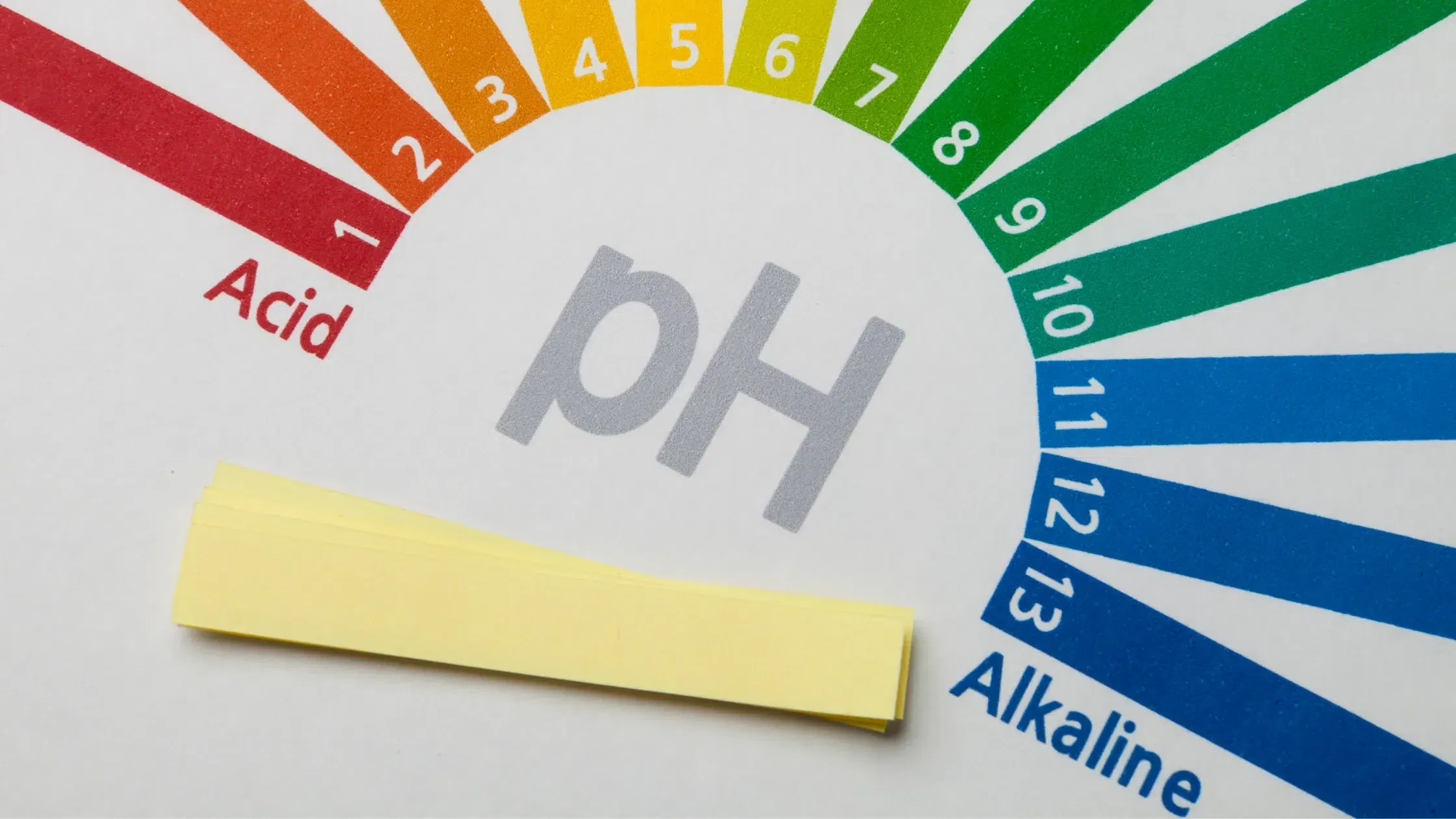
One of the important parameters of water quality is the pH.1 A pH measurement reveals whether the solution is acidic, neutral, or alkaline. The chemistry of water has been discussed previously, which will help us understand what pH really is.
All About Oxidation-Reduction Potential (ORP)
ORP is measured in volts and informs us of a solution’s oxidizing or reducing potential. An ORP probe measures the voltage difference between redox couples in accordance with their half reactions