Molecular hydrogen can be administered in several ways, but hydrogen-rich water and hydrogen inhalation are the two most common methods used outside of clinical research settings. While both deliver the same molecule, H2, the way hydrogen enters the body, how exposure is measured, and how dosing is approached differ in important ways.
Understanding these differences can help readers evaluate research, interpret claims accurately, and decide which educational paths to explore further. Importantly, hydrogen inhalation and hydrogen-rich water are not interchangeable dosing models.
Read: How to Administer Molecular Hydrogen
Hydrogen-Rich Water
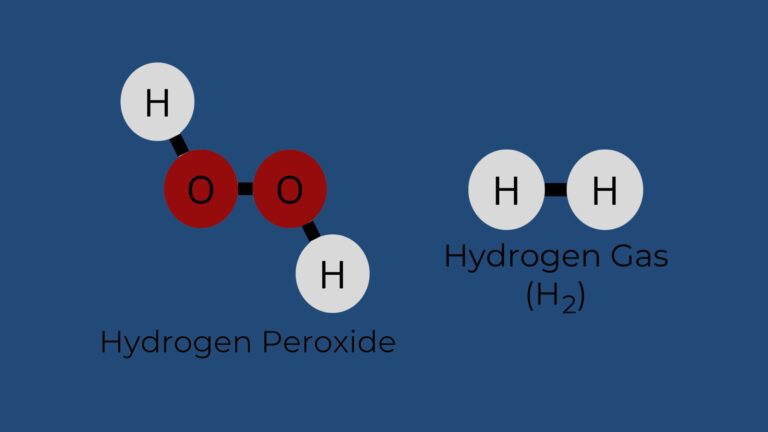
Hydrogen-rich water is often misunderstood because water (H2O) already contains hydrogen atoms. However, hydrogen-rich water is water with dissolved molecular hydrogen gas (H2), which is chemically distinct from the hydrogen atoms bound within the water molecule itself.
When consumed, dissolved hydrogen gas passes through the stomach and intestines and begins entering the bloodstream. The first circulation it encounters is the portal vein, which carries blood to the liver before it continues to the heart and lungs. Hydrogen dissolves into the blood much like it dissolves into water and does not accumulate in the body.
In the research literature, a commonly referenced minimum dose of hydrogen water is approximately 0.5 mg, though optimal dose, timing, and frequency remain unclear. Some individuals consume hydrogen water multiple times per day, while others use it less frequently. Dose is generally considered more important than concentration alone, though concentration is used to calculate dose.
At standard pressure, hydrogen’s solubility in water is often cited as ~1.6 mg/L, though higher concentrations are achievable using increased pressure. Importantly, hydrogen does not build up in tissues and is quickly eliminated through respiration.
Read more: The Concentration and Solubility of H2
Hydrogen Inhalation
Hydrogen inhalation delivers molecular hydrogen through the lungs, allowing it to rapidly enter systemic circulation. Because gas exchange occurs directly in the alveoli, inhalation provides a more immediate route of delivery compared to oral ingestion.
In inhalation research, exposure is often discussed using FiH2 (Fraction of Inspired Hydrogen), which refers to the percentage of hydrogen gas present in the air mixture being inhaled over time. FiH2 offers a more standardized way to describe exposure than flow rate alone, though optimal concentrations, session duration, and frequency are still under investigation.
Hydrogen inhalation introduces additional considerations not present with hydrogen water, including device design, gas mixing, nasal cannula use, and safety parameters such as flammability thresholds. While hydrogen has a strong safety profile when used appropriately, understanding these technical factors is essential for responsible use and accurate interpretation of research findings.
Read more:
- What Is FiH2?
- Concentration vs. Flow vs. Duration
- Flammability Risks of Hydrogen Inhalation
- Nasal Cannula Considerations
Key Differences at a Glance
At a high level, hydrogen water and hydrogen inhalation differ primarily in route of entry, exposure control, and measurement frameworks. Hydrogen water delivers discrete doses through ingestion, while inhalation allows for more continuous and adjustable exposure. Neither method has an established “optimal” protocol at this time, and both remain active areas of research.
Importantly, these methods should not be viewed as interchangeable. Each has unique research contexts, advantages, and limitations that should be considered independently rather than compared solely on perceived potency or convenience.
Final Note
As interest in molecular hydrogen grows, comparisons between delivery methods are increasingly common. However, responsible evaluation requires understanding how hydrogen is delivered, how exposure is defined, and what the current evidence does, and does not support.
To learn more about these concepts consider taking the MHI Certification courses: HERE